
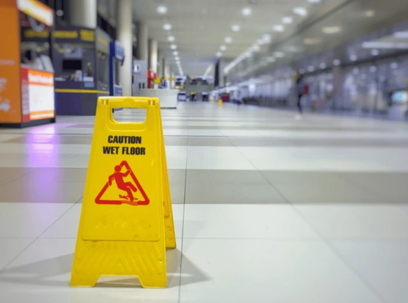
One moment you are walking through a Rockford mall, and the next you are on the floor, hurting, embarrassed, and wondering what just happened. People might be staring, a security guard may be asking questions, and you can already feel the soreness setting in. In the middle of all that, the last thing you want to think about is legal responsibility or insurance.
After a fall like this, many people go home and hope the pain goes away, assuming it was just bad luck or their own clumsiness. Later, when the pain gets worse or medical bills start stacking up, they begin to ask a harder question. Could the mall, a store, or a maintenance company have prevented this, and if so, what are your rights under Illinois law?
At DeRango & Cain, LLC, we have spent decades helping people in Rockford and across Northern Illinois sort through exactly these questions after serious injuries. We understand how local malls and shopping centers are managed, how their insurance companies handle claims, and how quickly critical evidence can disappear. In this guide, we walk through what really matters after a slip and fall in a Rockford mall, and what you can do to protect both your health and your legal rights.
How Slip & Fall Claims Work in Rockford Malls
When you walk into a Rockford mall, you are considered an invited guest. Under Illinois premises liability law, that means the property owner and those who control the property have a duty to take reasonable steps to keep the space safe for you. They do not have to guarantee your absolute safety, but they must act reasonably to find and fix dangerous conditions or warn you about them.
In the mall setting, dangerous conditions take many forms. Food and drink spills in the food court, watery floors near entrances during rain or snow, uneven tiles or cracked flooring, loose rugs or floor mats that slide, cluttered walkways, and dim stairwells are all common hazards. Outside the building, icy sidewalks, poorly cleared parking lots, and broken curbs can cause serious falls, especially in Northern Illinois winters when surfaces freeze and thaw.
A slip and fall claim usually turns on one key issue. Should the mall or a business in the mall have known about the danger and done something about it before you were hurt? If staff created the hazard, such as mopping a floor and not placing warning signs, liability can be more straightforward. If a visitor dropped a drink a short time before you walked by, the case becomes more about whether the mall had reasonable inspection and cleanup routines for that area and whether those routines were followed.
Every mall fall is different, which is why we look closely at where you fell, what the hazard was, and how long it appears to have been there. With more than 100 years of combined experience in injury matters in Rockford and Northern Illinois, we know the questions to ask and the evidence that often makes the difference between a denied claim and a meaningful recovery.
Who May Be Responsible for a Rockford Mall Slip & Fall
Many people assume that “the mall” is a single entity that automatically handles everything. In reality, large retail centers around Rockford are often made up of several different players. There may be a property owner that holds the land and building, a separate management company that runs day-to-day operations, individual stores that lease space, and outside contractors for cleaning, maintenance, and snow removal.
Responsibility often depends on where you fell. If you slipped in a common area, such as a main hallway, food court seating area, restroom, or central entrance, the mall owner or management company is usually the first place we look. They are typically in charge of inspections, cleaning, and maintenance in those shared spaces, and they often hire janitorial or maintenance vendors whose conduct also matters. Those contracts and policies can become important when we evaluate liability.
If your fall happened inside a specific store, such as on a spilled product or a loose display mat, the tenant store may bear much of the responsibility. Stores are usually responsible for keeping their own leased space safe, including aisles, dressing rooms, and their own private entrances. In those cases, both the store and the mall may have obligations, depending on how the lease is written and who controls the area where you fell.
Outdoor falls introduce another layer. If you slipped in a parking lot or on a sidewalk, responsibility might involve the mall owner, a management company, and a snow or ice removal contractor. Each of these may carry separate insurance coverage, and each may point the finger at someone else. Because of this, mall slip-and-fall cases in Rockford can become complex quickly. We are prepared to identify all potentially responsible parties and deal with multiple insurers when the facts support it.
What Illinois Law Requires Malls To Do About Hazards
Malls cannot prevent every spill or sudden hazard, but Illinois law expects them to take reasonable, proactive steps. In practice, this means putting systems in place to watch for dangers and fix them within a reasonable time. In high-traffic areas like food courts, restrooms, and main corridors, that often includes regular walkthroughs, documented cleaning schedules, and clear rules for employees about what to do when they spot a problem.
Lawyers and courts talk about “notice.” Actual notice means the owner or staff really knew about the specific danger. For example, if another shopper told a security guard there was a puddle outside a restroom and nothing was done for a substantial period, that is actual notice. "Constructive notice" means the danger existed long enough, or was obvious enough, that they should have known about it if they were doing reasonable inspections.
Imagine a soda spill that sits in a busy hallway for a long stretch, with footprints through it and no caution signs. Even if no one admits they saw it, inspection routines may have failed. On the other hand, if a drink falls seconds before your arrival, it can be harder to prove the mall should have known. These details matter when we evaluate a slip and fall in a Rockford mall, and they often show up in cleaning logs, staff statements, or surveillance video.
We routinely request and review documents like maintenance policies, inspection checklists, and incident reports to see whether a mall followed its own procedures. When those records show gaps, such as long periods between inspections in slippery areas, it can significantly strengthen a case. Our team knows how to use those details to build a clear picture of what the mall should have done and what it actually did.
How Comparative Fault Works if You Were Also Distracted
Many injured shoppers tell us they blame themselves because they were looking at a text or carrying bags when they fell. Illinois follows a form of comparative negligence, which means a court can look at the actions of everyone involved and assign percentages of fault. Your compensation can be reduced if you are found partly responsible for what happened, and in some situations very high levels of personal fault can bar recovery.
That does not mean that being distracted or wearing the “wrong” shoes automatically destroys your claim. The law still looks at whether the mall or store allowed an unreasonably dangerous condition to exist. If a puddle was obvious, had been there a long time, and no warning cones were placed, the property owner may still carry a significant share of responsibility, even if you were glancing at your phone.
Consider a scenario where a torn mat at a store entrance had been curling up for weeks, staff had tripped on it before, and no one replaced it. In that case, the store likely bears fault for ignoring a known tripping hazard. Your own distraction might lower the amount of compensation, but it does not wipe out the store’s duty to fix something that keeps catching feet and causing people to stumble.
Insurers often try to lean heavily on comparative fault, suggesting that any distraction on your part means they owe little or nothing. We have seen these arguments many times and understand how to push back when the facts show that dangerous conditions were allowed to remain for too long or were created by staff decisions. Our focus is to make sure your actions are viewed fairly in the full context of what the property owner did or failed to do.
Steps To Take Right After a Slip & Fall in a Rockford Mall
Right after a fall, your first priority should always be your health. If you feel severe pain or dizziness or suspect a head, neck, or back injury, seek emergency care immediately. Even if you are able to get up and walk, it is wise to see a medical professional as soon as you can. Some serious injuries, such as concussions or soft tissue damage, may not fully show themselves until hours or days later, and early documentation can be critical for both treatment and any claim.
If you can safely do so, try to document the scene before anything changes. Take photos or short videos of the exact area where you fell, including the hazard itself and the surroundings. Capture any nearby warning signs or the lack of them, wet floor cones, lighting conditions, or objects that contributed to your fall. If you slipped on a substance, photograph your clothing and shoes while they are still wet or marked, then keep those items in a safe place rather than cleaning or discarding them.
Most malls and stores will want you to complete an incident report with security or management. Providing basic, truthful information is reasonable, but you do not have to guess about what caused your fall or accept blame. Stick to the facts you know, such as where you fell and that you were hurt, and avoid statements like “I should have watched where I was going” that can later be used against you. Ask for a copy of any incident report you fill out or sign, if possible, and keep it with your records.
Try to get the names and contact information of any witnesses who saw the fall or the condition of the floor before and after. They can be crucial if the mall later claims the area was dry or that warning signs were present when they were not. After you leave, keep notes about how your pain develops, what activities you must limit or miss because of your injuries, and any days you miss from work.
Surveillance video in malls is often recorded over after a set period, and there is no guarantee it will be kept unless someone asks for it in time. Because of that, early legal guidance matters. We offer free case evaluations and are available by phone around the clock, including nights and weekends. When you contact us soon after a fall, we can move quickly to send preservation letters and start securing the evidence that might otherwise disappear.
Evidence That Strengthens a Rockford Mall Slip & Fall Claim
The strongest mall slip and fall claims usually combine what you can gather at the scene with what we obtain later through formal requests. Clear, time-stamped photos that show the hazard and the surrounding area are powerful. Images taken before employees place cones or mop up a spill can make it much harder for a mall to argue that the condition did not exist or was small and contained.
Behind the scenes, surveillance footage is often one of the most important pieces of evidence. Video that captures your fall may also show how long the hazard existed, whether staff walked past it without acting, or if another person slipped earlier. Many systems automatically overwrite footage after a limited period, sometimes in a matter of days or weeks, which is why we act quickly to request that relevant clips be preserved before they are erased in the normal course of business.
We also look for maintenance and cleaning logs. These can reveal how often staff were supposed to inspect certain areas and whether they followed those schedules. If a log shows that no one inspected a busy hallway for a long stretch, that can support a claim that the mall did not act reasonably. Incident reports, internal communications, and records of prior complaints or falls in the same spot may also come to light and can be very telling about patterns of neglect.
Your medical records and employment records are another key part of the picture. They document what injuries you suffered, what treatment you needed, and how long you were off work or on restricted duty. Consistent follow-up with your doctors helps demonstrate that your pain and limitations are ongoing and tied to the fall, not just a temporary soreness that faded in a day or two. Keeping copies of bills and receipts also helps show the financial impact of the incident.
At DeRango & Cain, LLC, we are meticulous about gathering and reviewing this kind of evidence. Our broad team allows us to dig deep into complex records, piece together timelines, and connect the dots between property conditions, corporate policies, and the harm you suffered. This careful work often separates a weak, one-sided story from a well-supported premises liability case.
What To Expect When You Report a Mall Slip & Fall to Insurance
Not long after a reported fall, a mall’s insurance company or third-party administrator may reach out to you. Adjusters often sound friendly and concerned, but their job is to gather information that helps them evaluate and limit the claim. They may ask for a recorded statement, pressing you for details about where you were looking, what shoes you wore, and whether you saw the hazard before you fell.
In many cases, insurers focus heavily on anything that suggests comparative fault on your part. Offhand comments like “I was probably walking too fast” or “I should have paid more attention” can show up later in claim files as key reasons to reduce or deny compensation. Adjusters also commonly downplay injuries early on by suggesting that soreness is normal and should resolve quickly, even before you have had diagnostic tests or a full medical evaluation.
Another pattern we see is early, low settlement offers. An insurer may offer to reimburse some medical bills or provide a modest lump sum before you fully understand your prognosis or future treatment needs. Once you accept and sign a release, you typically cannot go back for more, even if you later learn you need surgery or ongoing therapy. That is why it is important to understand the full scope of your injuries and damages before agreeing to resolve your claim.
You are not required to give a detailed recorded statement to the mall’s insurer before speaking with an attorney. It is usually safer to provide only basic information about your identity and the date and general location of the incident, then let your lawyer handle the more in-depth discussions. That way, the facts of your case are presented carefully and in full context, not pieced together from off-the-cuff answers that may be incomplete.
We handle communications with insurers for our injury clients, which can take a significant burden off your shoulders. Because we work on a contingency fee basis for injury matters, there is no upfront fee for us to step in and protect your interests during these early conversations. You can focus on your medical recovery while we deal with the insurance side and work toward a fair outcome.
How DeRango & Cain, LLC Handles Rockford Mall Slip & Fall Cases
When someone calls us after a slip and fall in a Rockford mall, our first step is to listen carefully to what happened and how you are feeling. During a free case evaluation, we ask focused questions about the location of the fall, the condition of the floor or ground, what you saw before and after, and any interactions you had with mall staff or security. This helps us determine quickly what kinds of evidence we need to preserve and what legal issues are likely to arise.
From there, we move into a structured investigation. That may include requesting surveillance video, incident reports, and cleaning or maintenance records, and reviewing any photos or videos you or witnesses took. If appropriate, we or our team may visit the site to understand the layout and lighting and to see whether the hazard is still present. We pay close attention to details that others might miss, such as the placement of warning signs or patterns in how a particular area is maintained.
Our firm brings more than 100 years of combined legal experience to these cases, and we draw on that history every time we evaluate liability and potential compensation. Because we handle a broad range of matters, we are accustomed to multi-layered cases where property law, insurance issues, and other legal areas overlap. We are also fully prepared to take a case into litigation and all the way to trial when negotiations do not lead to a fair result and a stronger approach is warranted.
We understand that clear communication is critical, especially when an injury affects your work, family obligations, and finances. Our team approach allows us to keep clients informed and to dig deeply into complex evidence without losing sight of your day-to-day concerns. For clients who are more comfortable speaking Spanish, we are able to offer our services in Spanish so you can fully understand your options and participate in every decision.
We know that injuries do not only happen during business hours, and questions about what to do next cannot always wait. That is why we are available to take your call 24 hours a day, 7 days a week, and why we handle injury cases on a contingency fee schedule, meaning you do not owe legal fees unless we are successful in recovering compensation on your behalf. Our goal is to remove as much stress from the legal process as we can while guiding you toward decisions that protect your future.
Talk With a Rockford Attorney About Your Mall Slip & Fall
A slip and fall in a Rockford mall is more than an awkward moment. It can lead to serious injuries, missed work, and long-term pain, all triggered by conditions that may have been preventable. Understanding how premises liability works, what evidence matters, and how insurers operate gives you a better chance to protect yourself and your family.
You do not have to figure this out alone. At DeRango & Cain, LLC, we can review your situation, explain how Illinois law applies, and outline practical next steps in a free, no-obligation case evaluation. If we move forward together, we will handle the legal and insurance issues on a contingency fee basis so you can focus on healing while we focus on accountability.
Call (815) 216-5911 to speak with our Rockford team about your mall slip and fall.